
 EN
 ar
 bg
 hr
 cs
 da
 nl
 fi
 fr
 de
 el
 hi
 it
 ko
 no
 pl
 pt
 ro
 ru
 es
 sv
 tl
 iw
 id
 lv
 lt
 sr
 sk
 sl
 uk
 vi
 et
 hu
 th
 tr
 fa
 ms
 hy
 ka
 ur
 bn
 mn
 ta
 kk
 uz
 ku

3 axes accelerometer
Cable force monitoring is one of the more specialized uses of Kingmach 3 axes accelerometer. A vibrating cable carries frequency information that can be processed into force values when the cable parameters and calculation method are properly configured. That means the sensor is part of a larger test method, not a standalone answer. The installation must capture the cable response cleanly, and the record should preserve cable identity, test condition, environmental context, and review result. Repeat tests should use the same location and procedure whenever possible. If the cable, boundary condition, or measurement position changes, the record should say so. Written this way, the page explains the engineering value without relying on dense technical tables.
During interpretation, the team should compare the motion with nearby strain, displacement, tilt, load, wind, temperature, traffic, machinery, or construction notes. That wider view helps separate normal response from a pattern that needs inspection.
If the reading changes suddenly, the first check should include the sensor attachment, cable route, connector, channel name, and recent field activity. This prevents a maintenance issue from being mistaken for structural behavior.
Long-term monitoring benefits from repeatable procedure. When the same point, direction, event definition, and analysis method are preserved, new vibration records can be compared with earlier records in a defensible way.
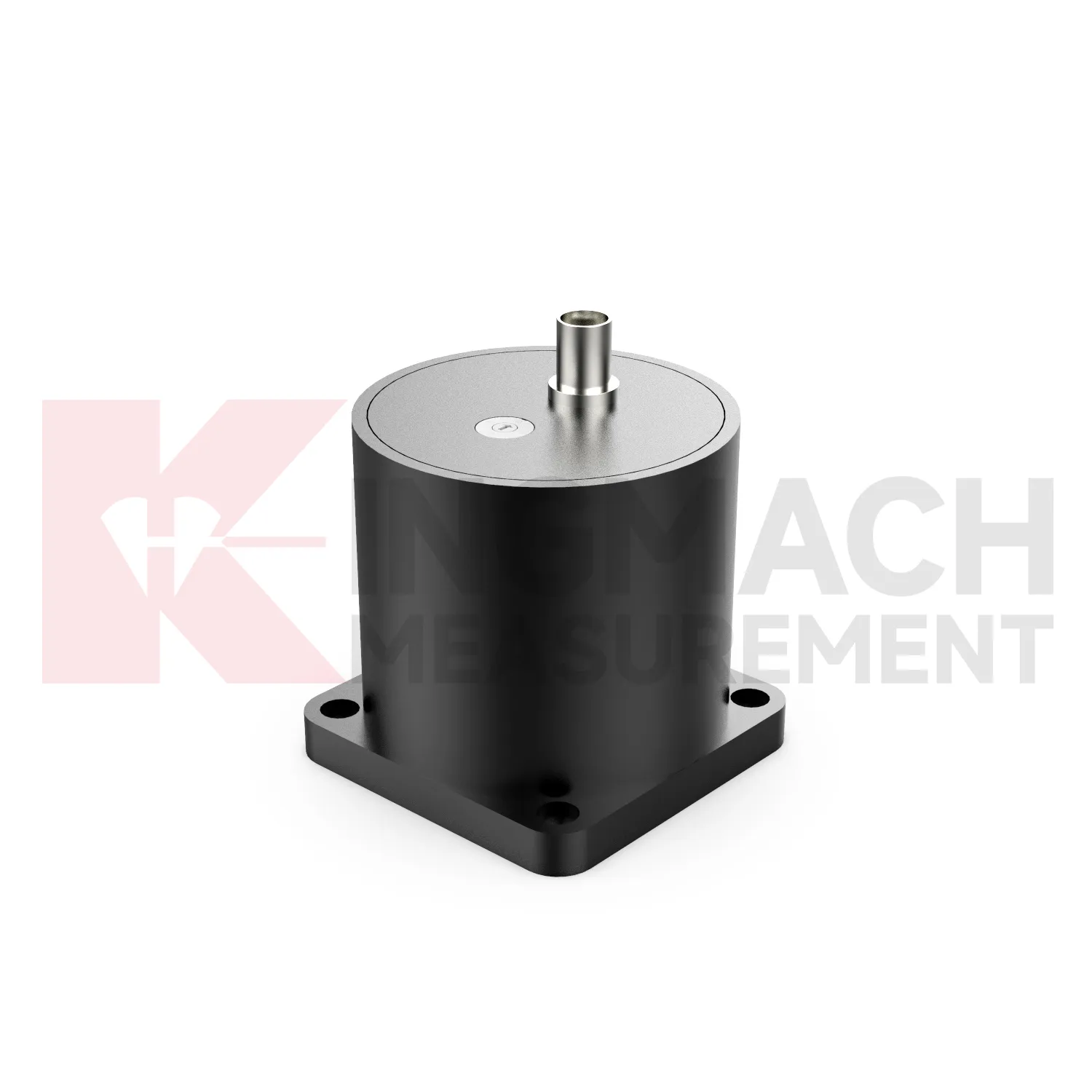
Application of 3 axes accelerometer
Railway projects use Kingmach 3 axes accelerometer to study vibration from train passage, track structure response, bridge sections, station buildings, and nearby sensitive structures. The data can help separate normal operational vibration from unusual behavior caused by foundation change, structural looseness, or construction disturbance. Monitoring should identify the track side, structural location, axis direction, and train or work event related to the record. Acceleration results are stronger when reviewed with settlement, displacement, temperature, and inspection records. This keeps dynamic monitoring connected to maintenance and service decisions. A repeated vibration pattern during regular operation may become the baseline, while a new pattern after work or weather may trigger closer review.
Railway records should preserve operating context in a way that bridge or building records may not need. Train type, passing direction, speed condition, maintenance window, nearby track work, and station activity can all influence the signal. If these details are missing, a vibration curve may be technically complete but difficult to explain.
For long corridors, point naming is especially important. A useful railway report should show chainage, line side, structure type, sensor direction, and the event being reviewed. That lets maintenance teams compare one section with another and decide whether the response is local, repeated, or connected to a broader service condition.
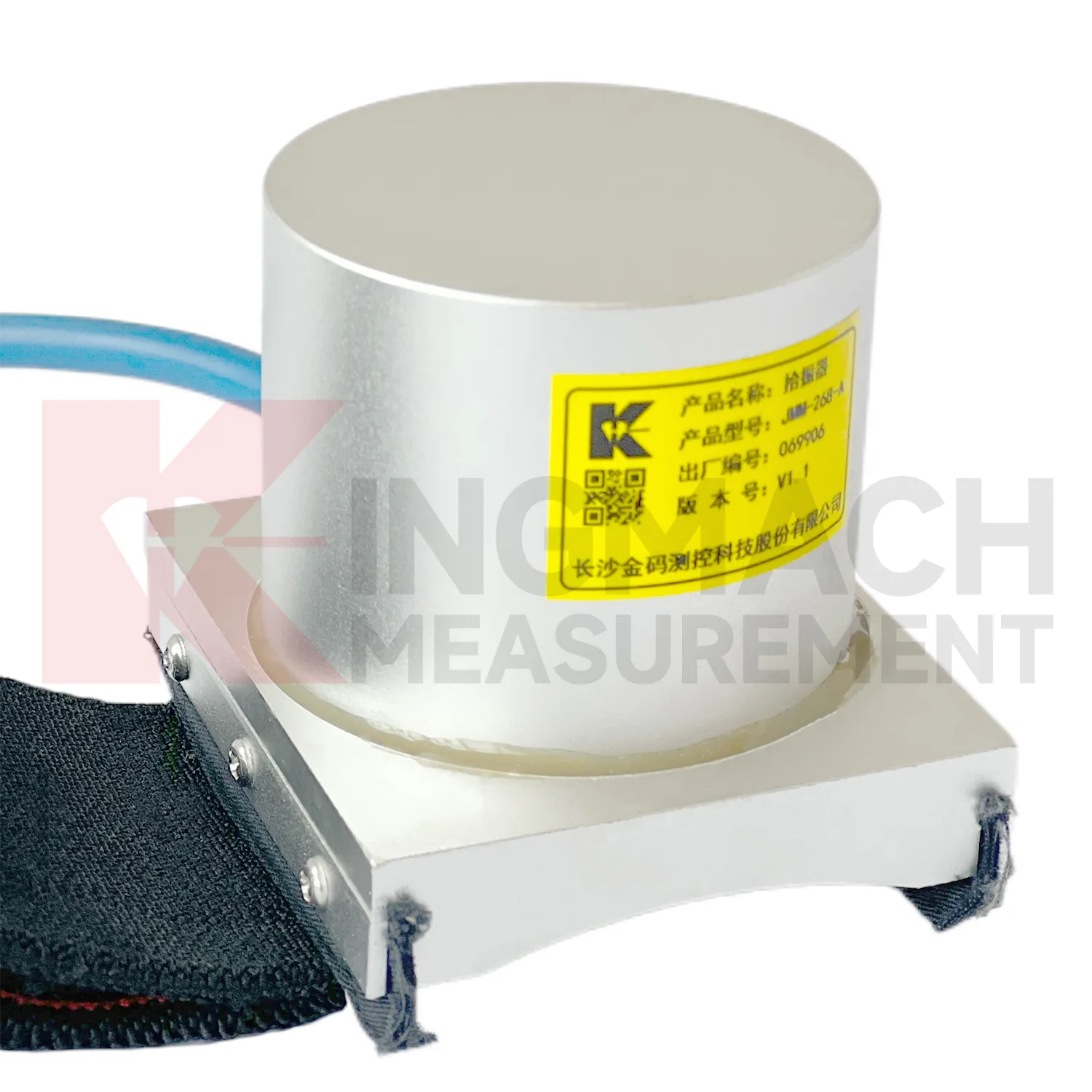
The future of 3 axes accelerometer
The future of Kingmach 3 axes accelerometer will make long-term asset records more useful. Dynamic response can change as a bridge ages, a cable is adjusted, a machine foundation settles, or a building is modified. When acceleration records are stored with event notes, maintenance history, and related sensor data, owners can compare present behavior with past behavior. That long view helps separate one-time events from gradual change. A mature monitoring record turns vibration measurement into part of asset management. It also helps teams decide whether to inspect, continue observing, adjust equipment, or compare a new event with an earlier one.
Future asset records should preserve examples of normal behavior, not only alarms. A bridge, tunnel, machine base, or building floor may have a familiar vibration pattern during routine operation. Keeping those examples helps reviewers judge whether a later event is genuinely new.
This long view also supports budgeting. If certain points show repeated events after maintenance, weather, or operating changes, owners can plan inspection and repair work around evidence rather than reacting to isolated traces.
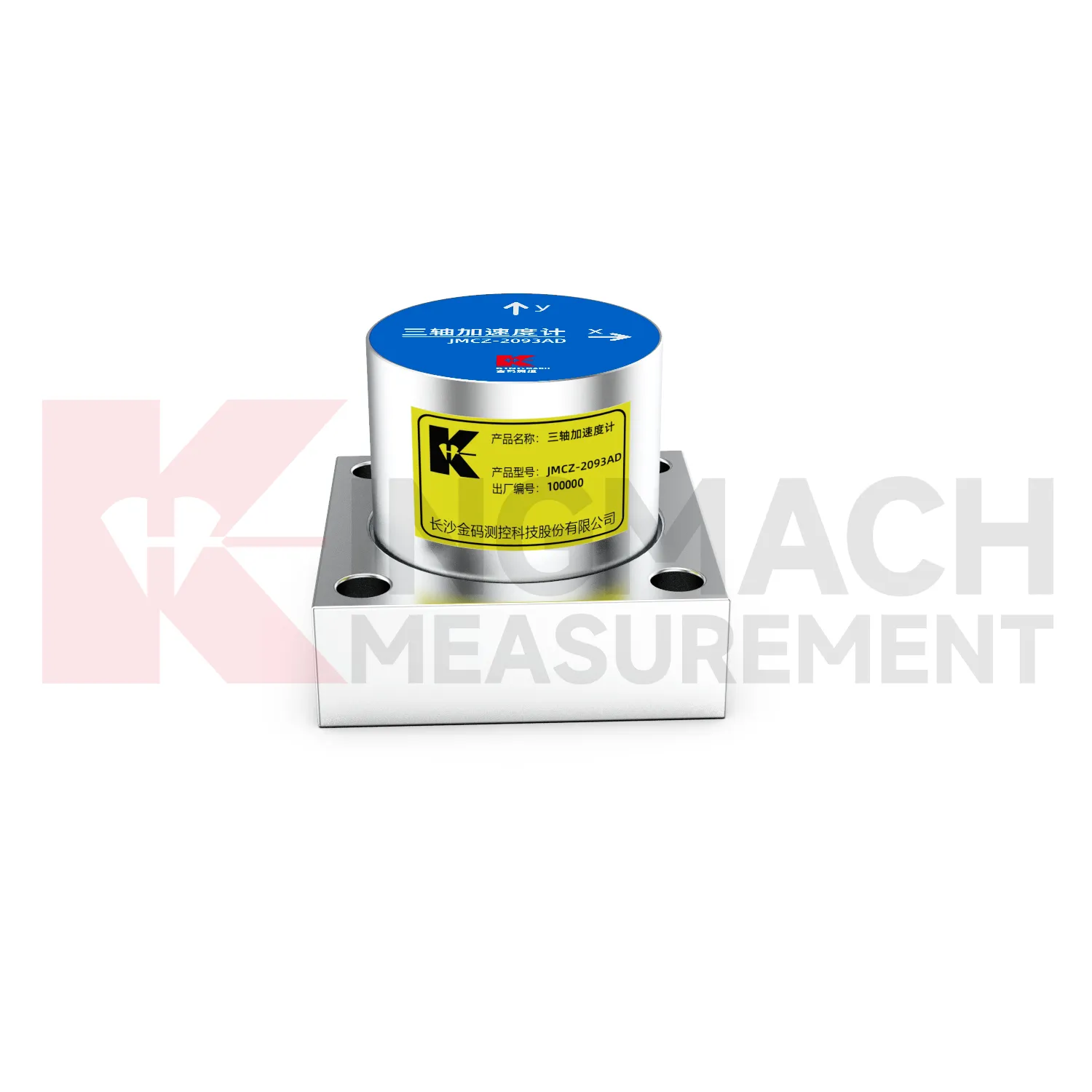
Care & Maintenance of 3 axes accelerometer
Cable force testing with Kingmach 3 axes accelerometer should preserve test consistency. Use the same cable identification, measurement position, sensor direction, operating condition, and calculation method whenever repeated measurements are compared. Record weather, traffic, nearby work, and any cable adjustment. Clean frequency data depends on both sensor quality and test discipline. If a cable result changes, confirm whether the measurement condition changed before treating it as a cable-force trend. Repeatable procedure keeps vibration-based cable review credible. The maintenance record should also preserve who tested the cable and what changed since the previous reading.
Dynamic data can be sensitive to small field changes. A new bracket, nearby machine, temporary work platform, changed cable route, or software update can alter the record, so those changes belong in the maintenance history.
For owner handover, the file should include point photos, axis labels, acquisition settings, related structural channels, and examples of normal behavior. That helps future reviewers understand whether a later event is unusual.
Kingmach 3 axes accelerometer
Kingmach 3 axes accelerometer help engineering teams understand vibration risk rather than simply collect motion traces. In bridge, tunnel, building, railway, machinery, and ground-motion work, acceleration data shows how a structure moves when traffic, wind, machinery, blasting, earthquake activity, or cable vibration occurs. The useful result is not just a waveform; it is a record that shows frequency, response level, timing, and whether movement is repeating or changing. Dynamic monitoring is especially useful when movement is too quick for visual inspection or too subtle to judge by touch. When acceleration records are reviewed with inspection notes, environmental conditions, and related structural instruments, engineers can separate normal operating response from behavior that requires attention. This makes vibration measurement part of a practical safety and maintenance process.
For field teams, the record is strongest when the waveform is tied to a named event and a known physical point. The note should state what was operating, what changed on site, whether other instruments reacted, and whether the motion repeated under similar conditions.
FAQ
Q: How do Kingmach 3 axes accelerometer fit into a monitoring platform?
A: They provide the dynamic response layer alongside displacement, settlement, strain, load, tilt, environmental, and inspection data.
Q: What should a buyer define before ordering?
A: Define the motion to capture, structure type, location, axis direction, acquisition method, analysis need, and maintenance access.
Q: Do all projects need three-direction measurement?
A: No. Some need a focused direction, while others need multi-direction records because the movement source is uncertain.
Q: Why is low-frequency response important?
A: Ground pulsation, flexible structures, and slow dynamic movement may require sensors and acquisition settings suited to low-frequency behavior.
Q: What makes long-term acceleration data useful?
A: Stable installation, clear event records, consistent analysis, visible maintenance notes, and comparison with related sensors make it useful.
For owner handover, the file should include point photos, axis labels, acquisition settings, related structural channels, and examples of normal behavior. That helps future reviewers understand whether a later event is unusual.
Reviews
Matthew Garcia
Instrumentation cables are durable and perform well even in harsh environments. Will definitely order again.
Michael Anderson
The strain gauges and load cells are extremely accurate and stable. They performed very well in our bridge monitoring project. Highly recommended!
Latest Inquiries
To protect the privacy of our buyers, only public service email domains like Gmail, Yahoo, and MSN will be displayed. Additionally, only a limited portion of the inquiry content will be shown.
Mia***@gmail.comNetherlands
Dear team, we are interested in your readouts & data loggers compatible with multiple sensors. Do yo...
Amelia***@gmail.comSingapore
Hello, I am looking for visualization software for monitoring system data analysis. Please let me kn...
Related product categories
- vibrating sensor
- magnetic vibration sensor
- triaxial vibration sensor
- vibrating wire sensor
- industrial vibration sensor
- vibration monitoring sensors
- knock combustion vibration sensor
- industrial vibration sensors
- vibration monitoring sensor
- vibration sensors industrial
- vibration measurement sensor
- ground vibration sensor