
 EN
EN
 ar
ar bg
bg hr
hr cs
cs da
da nl
nl fi
fi fr
fr de
de el
el hi
hi it
it ko
ko no
no pl
pl pt
pt ro
ro ru
ru es
es sv
sv tl
tl iw
iw id
id lv
lv lt
lt sr
sr sk
sk sl
sl uk
uk vi
vi et
et hu
hu th
th tr
tr fa
fa ms
ms hy
hy ka
ka ur
ur bn
bn mn
mn ta
ta kk
kk uz
uz ku
ku
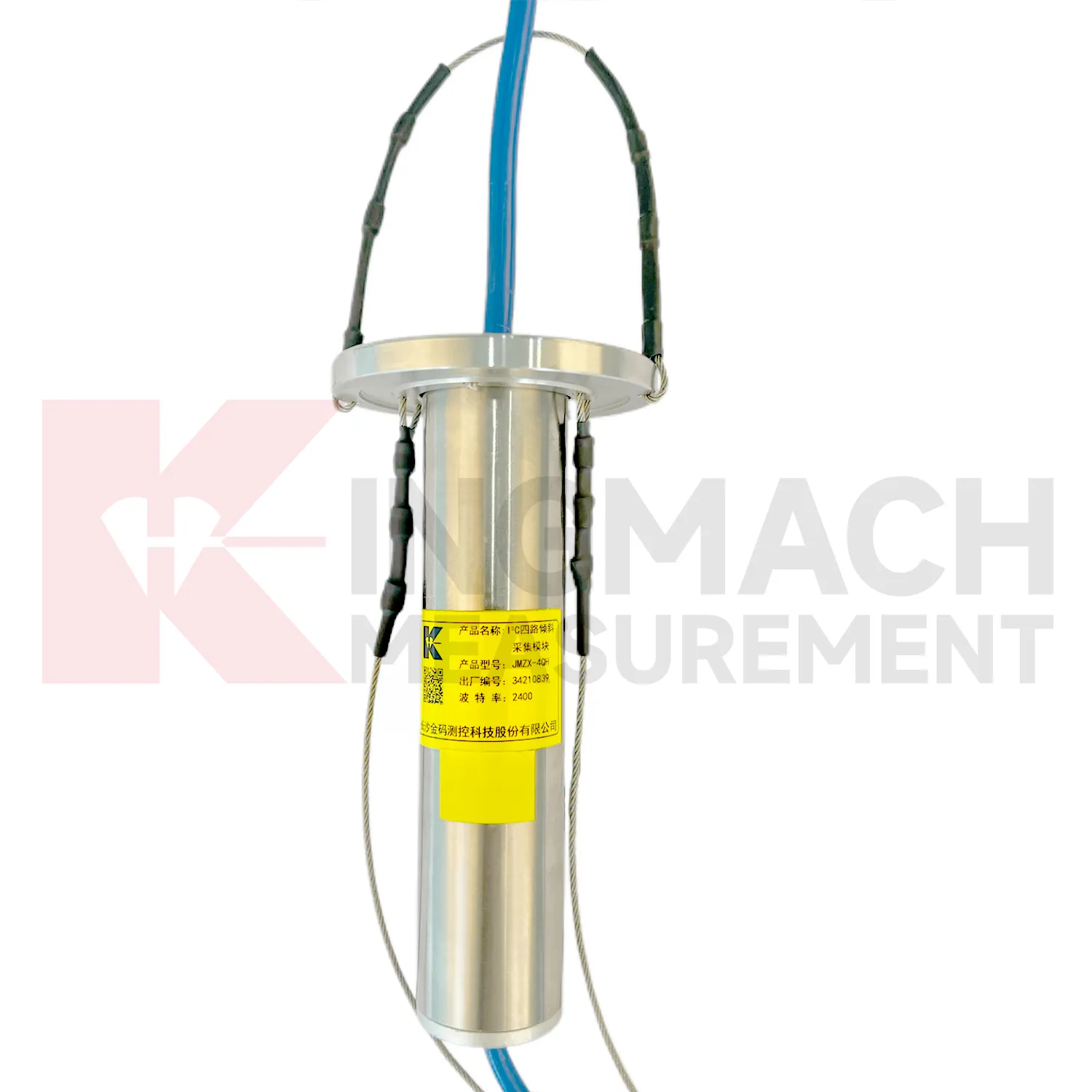
I²C 4-Channel Inclination Acquisition Module
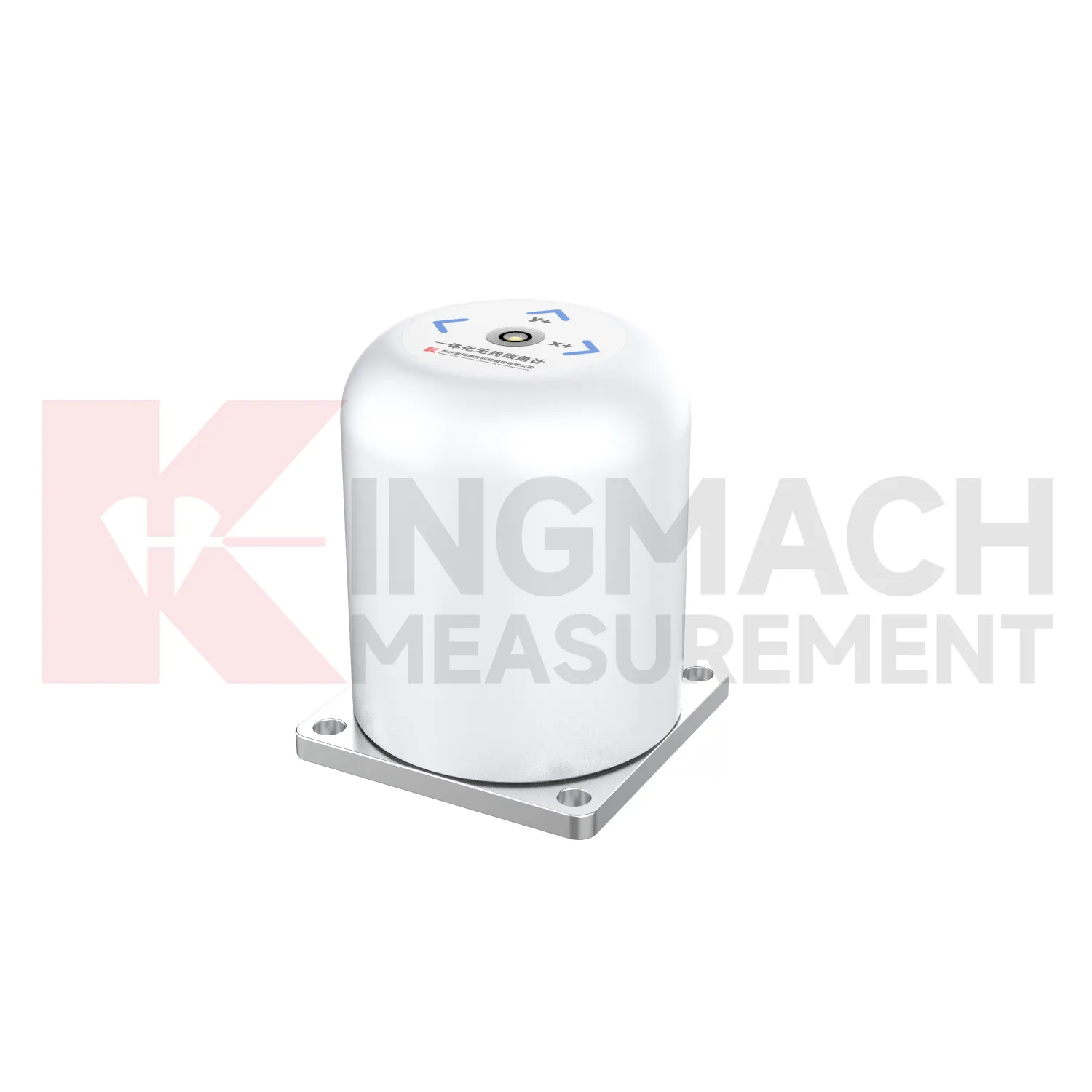
The JMQJ-7315RTU integrated tiltmeter expands Kingmach I²C 4-Channel Inclination Acquisition Module into wireless remote monitoring. It combines a fixed MEMS tilt sensor with 4G communication and intelligent chip technology, allowing long-term automatic testing of bridges, buildings, railways, and hidden structural parts. The product page lists +/-30 degrees dual-axis and +/-15 degrees dual-axis measurement ranges, 0.001 resolution, +/-0.05%FS accuracy, 3.6V 38AH battery power, wireless 4G digital output, -10 degrees Celsius to +55 degrees Celsius operating temperature, +/-0.1%FS per degree Celsius temperature drift, +/-0.1%FS per year long-term stability, and IP65 protection. This model is suitable where wiring is difficult, cabinet distance is long, or the owner wants unattended acquisition. The specification should still define mounting position, axis direction, transmission interval, battery inspection, and data platform naming.
Application of I²C 4-Channel Inclination Acquisition Module
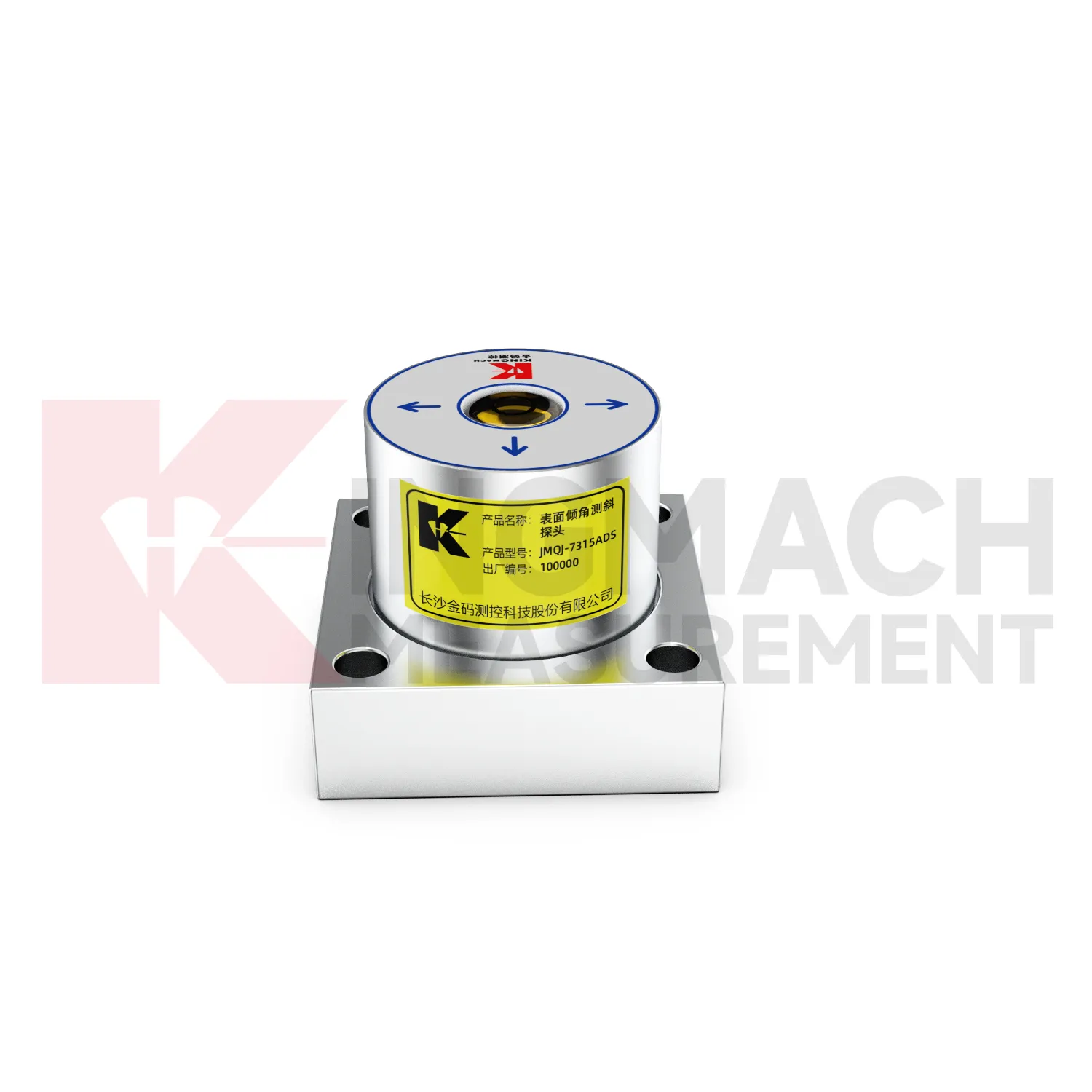
Bridge monitoring uses I²C 4-Channel Inclination Acquisition Module to observe pier rotation, bearing-area tilt, deck response, and substructure behavior that may not be obvious during visual inspection. A fixed JMQJ-7315ADS can measure biaxial tilt at structural points with 0.001 degree resolution and RS485 output, while JMQJ-7315RTU can transmit tilt data over 4G where cable routing is difficult. Tilt readings should be reviewed with temperature, traffic loading, bearing condition, deflection, strain, and settlement data. A small angular change near one pier has a different meaning from a synchronized response across several supports. The installation record should state axis direction, mounting face, baseline date, communication channel, and nearby structural member. This makes the bridge tilt curve useful for maintenance review, not just alarm display.
The future of I²C 4-Channel Inclination Acquisition Module
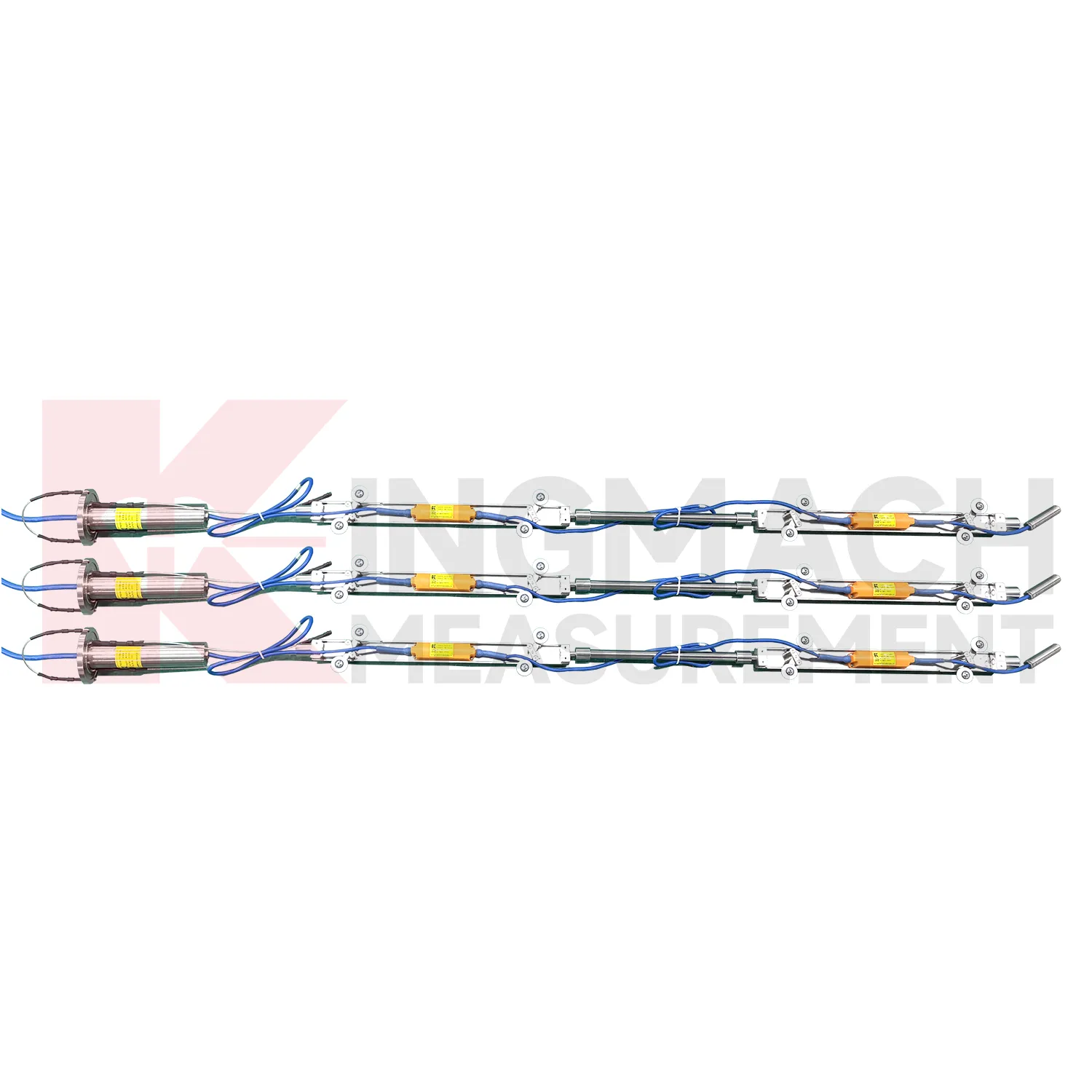
Future I²C 4-Channel Inclination Acquisition Module will make field commissioning more traceable. Many tilt problems begin with unclear axis direction, unstable mounting, wrong channel naming, poor cable protection, or missing baseline notes. Products with electronic identifiers and digital communication can reduce some of these errors, but field records still matter. Future commissioning tools may guide technicians through axis confirmation, zero reading, communication check, temperature note, photograph capture, and platform channel verification. JMQJ-7315ADS, JMQJ-7315RTU, JMQJ-7915ATS, JMZX-7100L, and JMZX-4QH each need different acceptance steps. A guided process can make the first reading more trustworthy and reduce later debate about whether a curve changed because of the site or the setup.
Care & Maintenance of I²C 4-Channel Inclination Acquisition Module
Care and maintenance of I²C 4-Channel Inclination Acquisition Module should start with the mounting surface. A fixed tiltmeter such as JMQJ-7315ADS or JMQJ-7315RTU needs a firm, clean, and stable base. Loose bolts, uneven grout, painted debris, or a flexing bracket can create angle changes that do not belong to the structure. Before acceptance, record the mounting face, axis direction, bolt condition, baseline value, sensor serial number, and installation photograph. During inspection, check for impact marks, corrosion, cable strain, water entry, and any work that may have disturbed the point. If the mounting surface changes, keep both the old and new baseline records. Tilt monitoring depends on a stable physical reference, so mechanical care is measurement care.
Kingmach I²C 4-Channel Inclination Acquisition Module
A well planned Kingmach I²C 4-Channel Inclination Acquisition Module installation starts with the engineering question, not with the sensor model. Is the project checking bridge pier rotation, building tilt, retaining wall movement, slope depth deformation, railway foundation behavior, or underground construction response? The answer determines whether a fixed biaxial tiltmeter, wireless integrated unit, sliding inclinometer, vertical in-place string, or acquisition module is required. It also determines where the reference direction should be marked, how often readings are taken, and what warning level means. Product parameters such as +/-15 degrees, +/-30 degrees, +/-90 degrees, 0.001 degree resolution, RS485, 4G, Bluetooth, IP68, IP67, and operating temperature should be linked to that project question. Clear planning keeps tilt monitoring useful throughout installation, commissioning, operation, and later review.
FAQ
Q: How accurate is the JMQJ-7315ADS tiltmeter?
A: The product page lists 0.001 degree resolution and 0.01 degree accuracy for the +/-15 degree dual-axis model.Q: What protection grade does JMQJ-7315ADS have?
A: It is listed with IP68 waterproof protection and an operating environment from -30 degrees Celsius to +80 degrees Celsius.Q: What range does JMQJ-7315RTU provide?
A: The integrated wireless model lists +/-30 degree and +/-15 degree dual-axis range options, with 0.001 resolution.Q: How many sensors can JMZX-4QH support?
A: The module lists four channels and support for up to 100 sensors in a multi-point inclinometer system.Q: What is the guide wheel spacing for JMZX-7100L?
A: The sliding inclinometer page lists a 500 mm guide wheel spacing reference and a +/-90 degree sensor range.
Reviews
Christopher Martinez
Very satisfied with the readouts & data loggers. User-friendly interface and supports multiple sensor inputs.
Ryan Lewis
Fast delivery and excellent product quality. The accelerometers and tiltmeters are highly reliable. Strongly recommend this company.
Latest Inquiries
To protect the privacy of our buyers, only public service email domains like Gmail, Yahoo, and MSN will be displayed. Additionally, only a limited portion of the inquiry content will be shown.
Ava***@gmail.comAustralia
Hi, I am looking for reliable tiltmeters and accelerometers for structural health monitoring. Please...
Mia***@gmail.comNetherlands
Dear team, we are interested in your readouts & data loggers compatible with multiple sensors. Do yo...