
 EN
EN
 ar
ar bg
bg hr
hr cs
cs da
da nl
nl fi
fi fr
fr de
de el
el hi
hi it
it ko
ko no
no pl
pl pt
pt ro
ro ru
ru es
es sv
sv tl
tl iw
iw id
id lv
lv lt
lt sr
sr sk
sk sl
sl uk
uk vi
vi et
et hu
hu th
th tr
tr fa
fa ms
ms hy
hy ka
ka ur
ur bn
bn mn
mn ta
ta kk
kk uz
uz ku
ku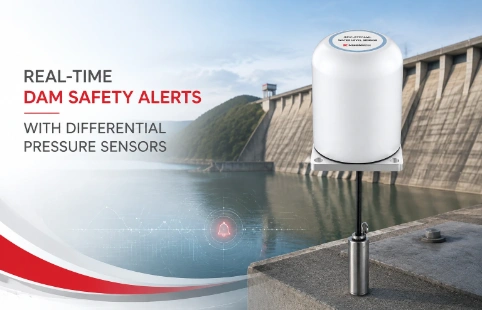
Real-Time Dam Safety Alerts with Differential Pressure Water Level Sensors
Key Takeaways An alert chain needs more than a sensor: define field in...

Electrical Resistance Strain Gauges for Field Stress Measurement
When strain readings really matter—on a bridge bearing or deep inside a tunnel lining—most engineers still pick an electrical resistance strain gauge. We have been supplying these at Kingmach long enough to know that the small details decide whether data stays reliable for months or drifts after the first rain. Foil type, backing material, grid pattern, and even the way you clean the steel matter just as much as the gauge itself. Our stock covers linear, rosette, and shear-plane designs, and we regularly run custom batches when a project geometry does not fit off-the-shelf footprints. We also keep an eye on practical field headaches: pre-attached leadwires for faster bonding, clear alignment marks for awkward spots, and packaging that does not kink the foil. From single-sensor spot checks to km-long rail bridges, we help engineering teams match the right gauge to the job and back it up with technical notes that actually answer the questions site crews ask.
Technical Detail
Kingmach stocks electrical resistance strain gauges in dozens of patterns, with foil alloys like constantan or karma chosen for a practical balance of gage factor and temperature stability. Backing materials move from polyimide for general-purpose bonding to glass-fiber-reinforced epoxy when the installation area sees wide temperature swings. Most gauges leave our facility with pre-tinned solder pads or pre-attached leadwires, because we have seen too many site crews lose time trying to solder inside a cramped diaphragm cavity. For larger orders, we can also integrate ready-to-weld mounting blocks or pre-coated protection layers that cut field work by half. Beyond the product, our application notes cover surface prep grit, adhesive cure cycles under high humidity, and proven coating systems for submersion in river water or salt spray. We ship regularly to civil engineering teams across Asia, Europe, and the Americas, and keep a technical desk staffed with engineers who can look at your installation photos and spot misalignment before you pour concrete. Custom gauges are not a side line for us; we have tweaked grid lengths, backing shapes, and resistance values for monitoring of rock bolts, CWR track, and century-old masonry. Whatever the request, we will give you a straight leadtime without a sales pitch.
News
Key Takeaways An alert chain needs more than a sensor: define field in...
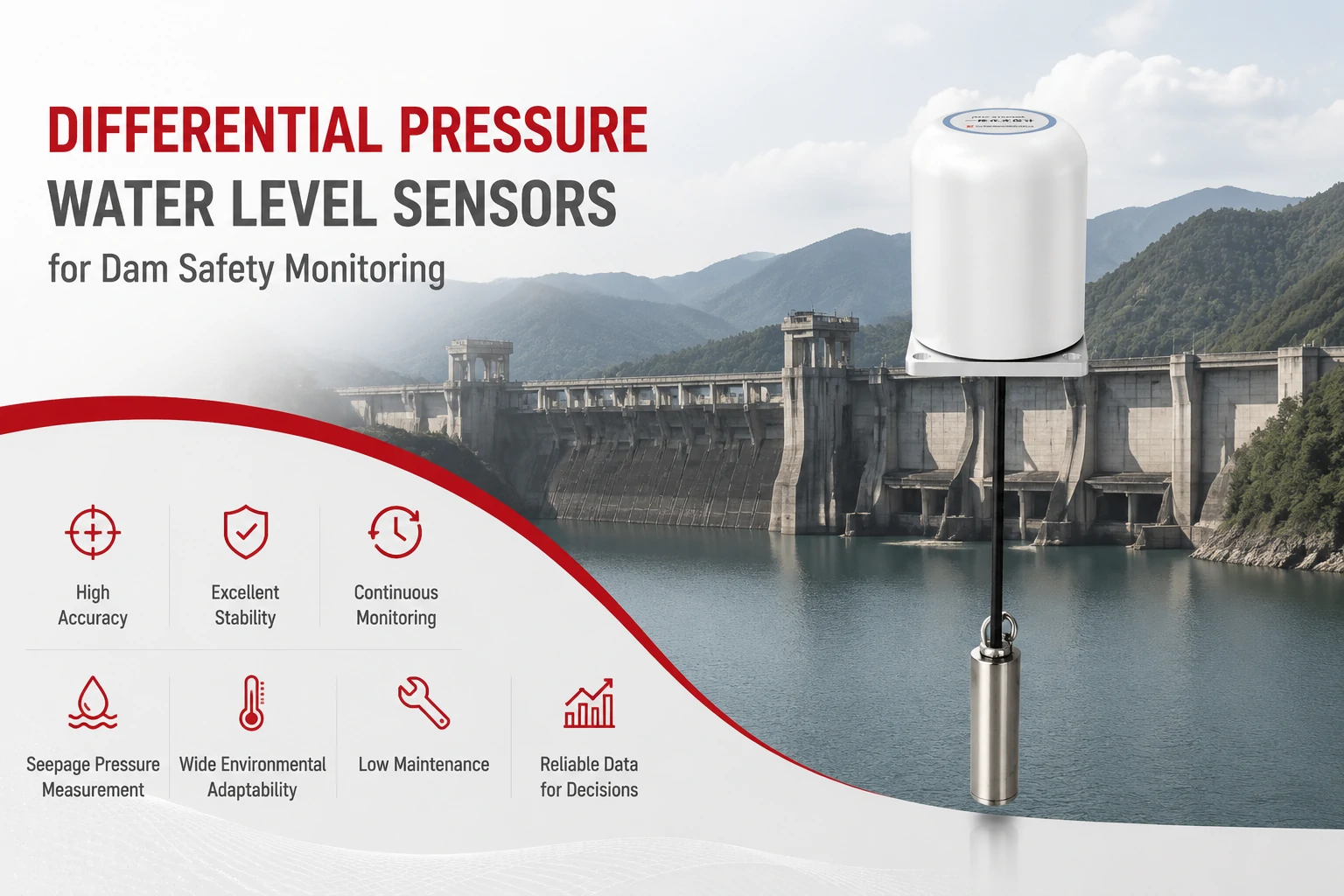
Key Takeaways The strongest fit is usually a confined, submerged, or s...
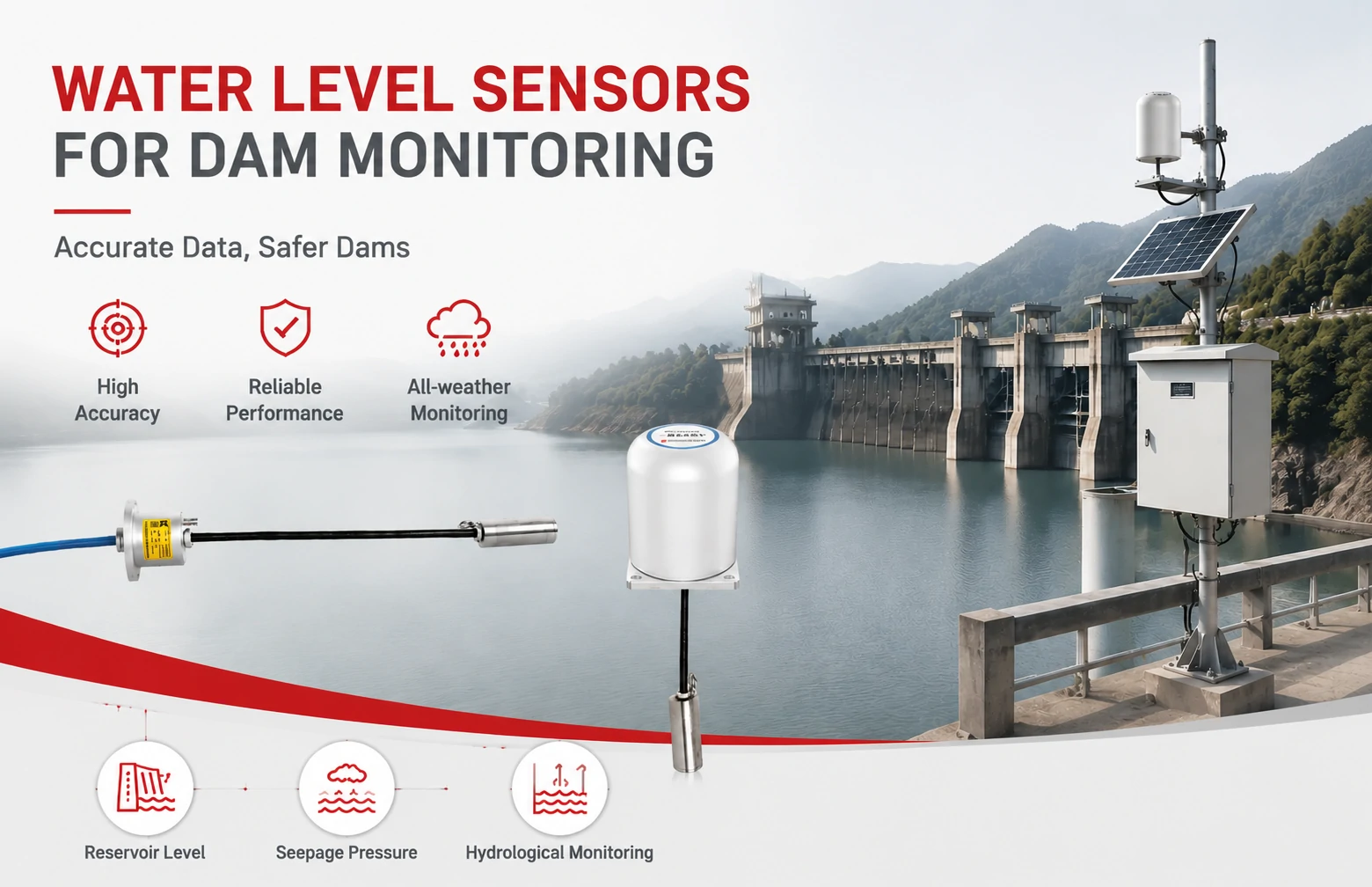
Kingmach Water Level Sensors for Dam Monitoring: A Buyer's Guide to Differential Pre...
Products
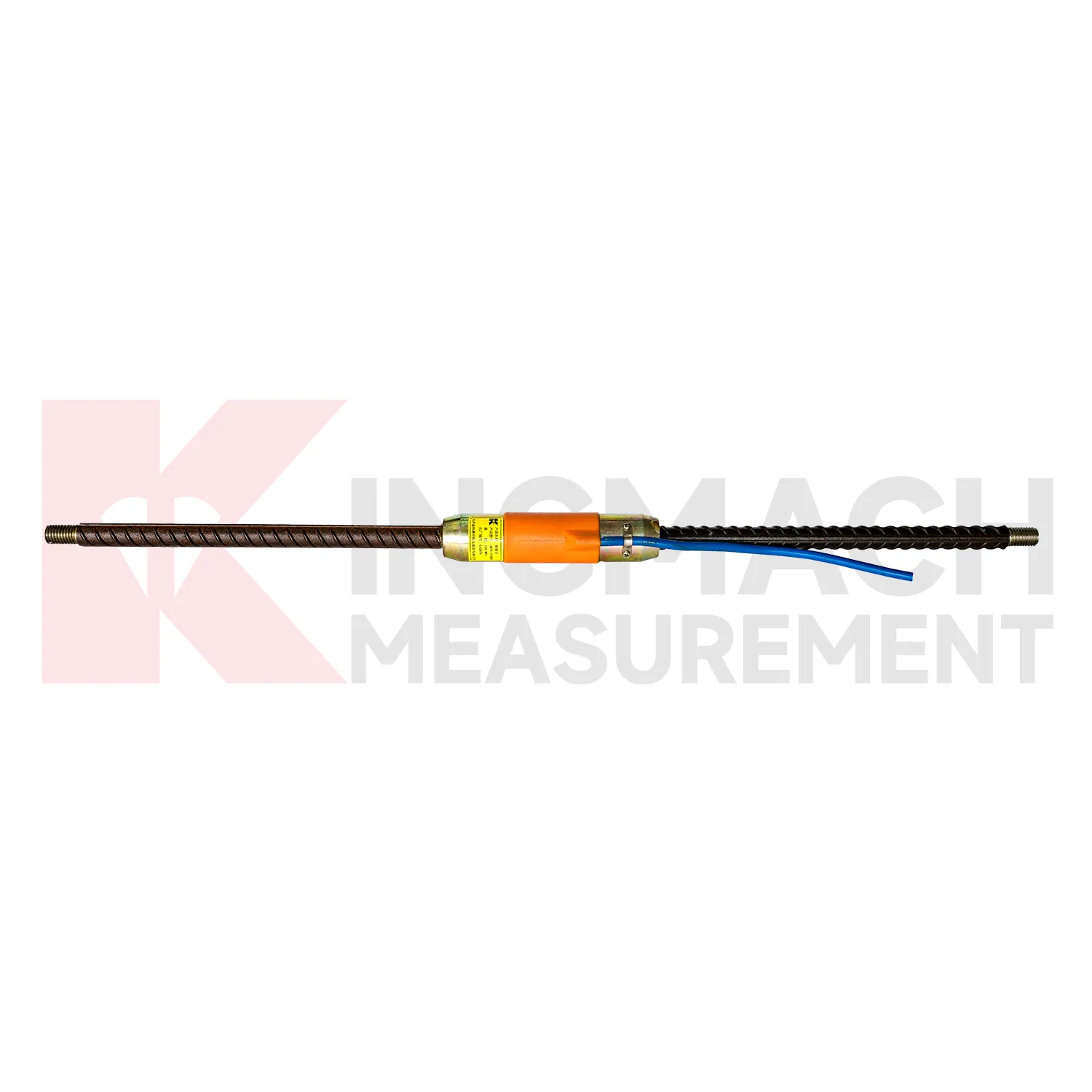
Rebar Strainmeters ( VW & Smart Type) JMZX-4XXHAT/HB
View Details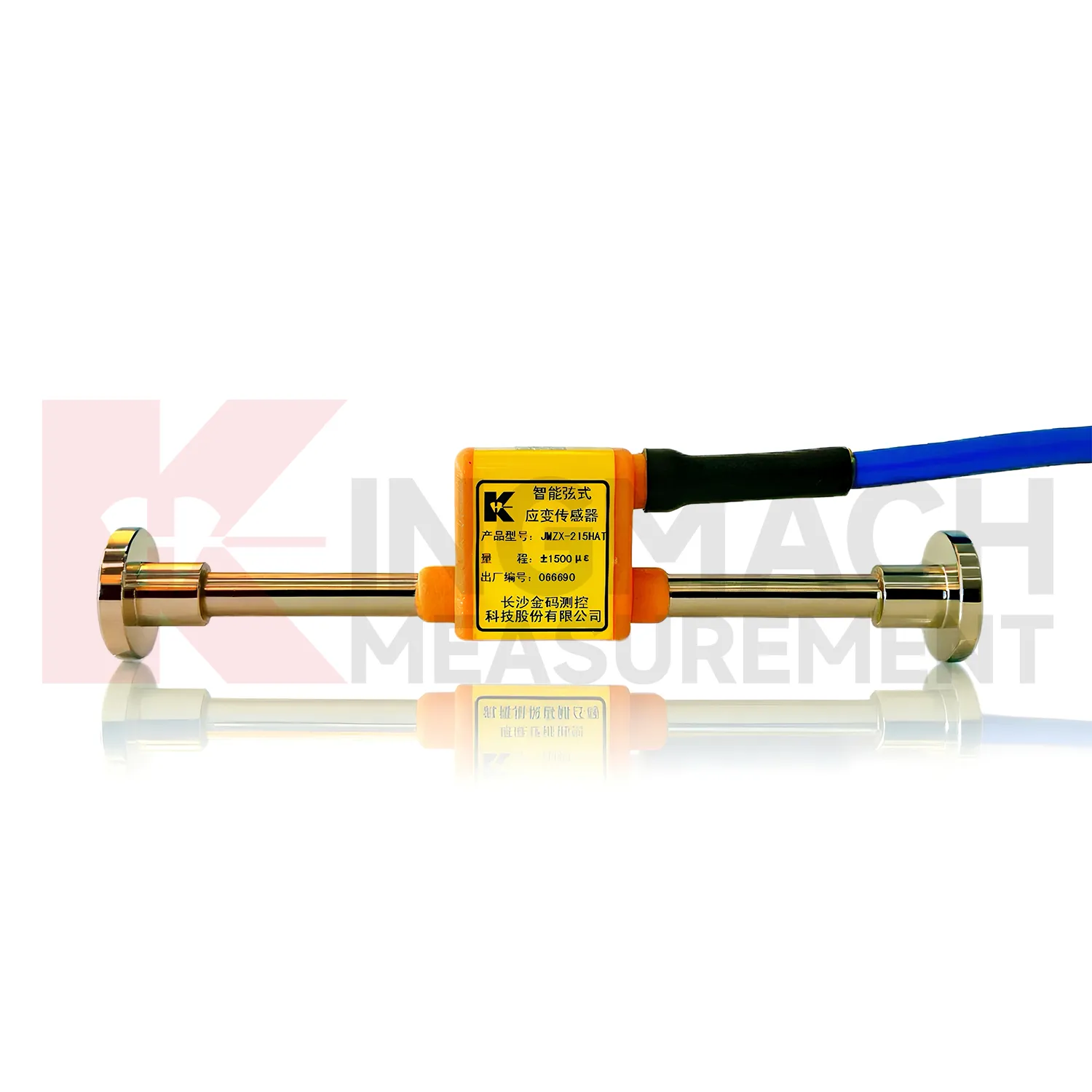
Smart vibrating wire strain gauge (embedment model) JMZX-215HA/215HAT/HB
View Details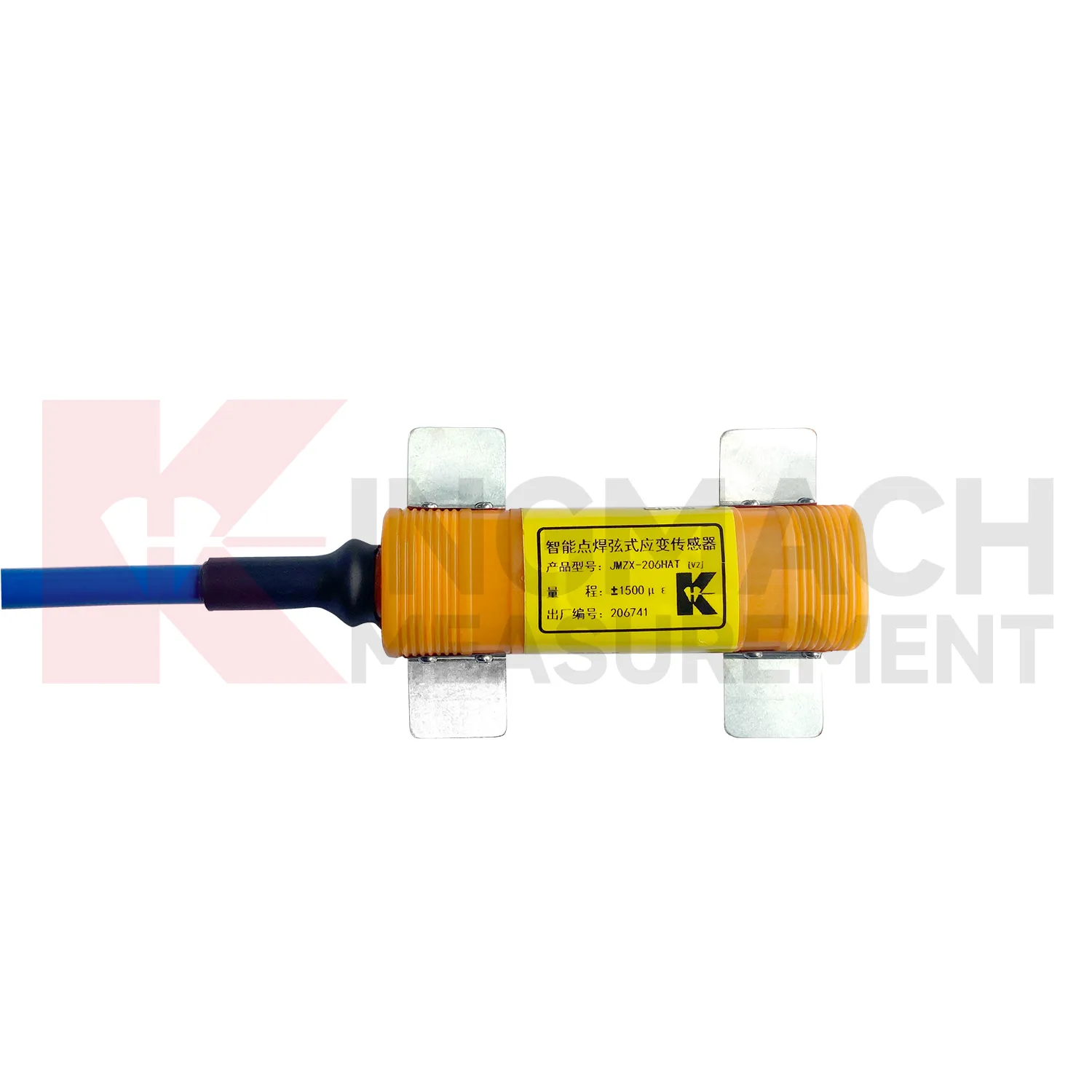
Smart vibrating wire strain gauge (surface welded model) JMZX-206HAT
View DetailsFAQ
Constantan gives stable readings up to about 200 °C and has a well-matched thermal expansion curve for steel. Karma is better if you expect wider temperature swings or need a higher fatigue life. Our application notes include thermal output curves for both, so you can pick whichever yields less apparent strain on your material.
Many of our gauges go out with a built-in butyl rubber or multi-layer acrylic coating. It is not full waterproofing, but it handles condensation and light spray. If you need submersion, we will recommend a field-applied barrier and can walk you through the curing steps.
For a non-standard rosette, expect roughly 4 to 6 weeks from drawing approval to dispatch. Simple changes like a shorter grid length or a different resistance value usually move faster. We send a digital proof before production, and you can mark corrections directly on it.
We do not run formal training sessions, but our technical team regularly reviews photos and suggests surface prep methods, adhesive options, and leadwire routing. Most of our notes are written in plain, job-site language, not lab jargon. If the crew is new to strain gauging, we can recommend a step-by-step procedure and check the first few installations remotely.
A well-installed gauge with a proper coating can hold within a few microstrain per year. Drift depends far more on the adhesive, coating, and cable sealing than on the foil itself. We have units still reading cleanly after a decade on bridge piers, provided the protection layer was refreshed during maintenance.
Share your product type, target capacity, and application requirements. Our team can review the details and recommend a practical next step.
If you are interested in our products or want to become our partner.
Please leave your contact information, our team will contact you as soon as possible.
Mail: [email protected]
Contact Us: +8613808434127
Address: No. 188 Tongzipo West Rd, Changsha, Hunan, China