
 EN
EN
 ar
ar bg
bg hr
hr cs
cs da
da nl
nl fi
fi fr
fr de
de el
el hi
hi it
it ko
ko no
no pl
pl pt
pt ro
ro ru
ru es
es sv
sv tl
tl iw
iw id
id lv
lv lt
lt sr
sr sk
sk sl
sl uk
uk vi
vi et
et hu
hu th
th tr
tr fa
fa ms
ms hy
hy ka
ka ur
ur bn
bn mn
mn ta
ta kk
kk uz
uz ku
ku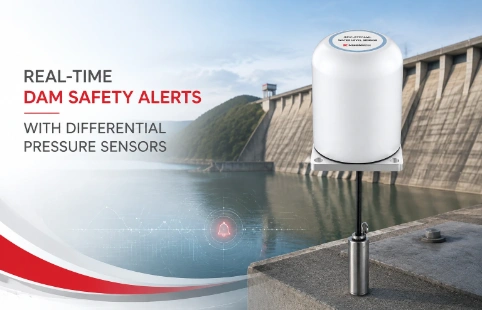
Real-Time Dam Safety Alerts with Differential Pressure Water Level Sensors
Key Takeaways An alert chain needs more than a sensor: define field in...

Full Bridge Strain Gauges for Reliable Monitoring
Getting clean strain data from a structure that moves with temperature swings and uneven loads is a constant headache. A full bridge strain gauge setup often solves that. It uses four active strain gauges arranged in a Wheatstone bridge, which cancels out temperature effects and amplifies the signal from the measured strain. In geotechnical work—think pile load tests, tunnel linings, or dam instrumentation—that extra sensitivity matters. Kingmach has supplied these configurations to monitoring projects for years, and the feedback is that the improved signal-to-noise ratio simplifies data interpretation. Rather than generic sensors, our full bridge strain gauges are built to match the specific material and environmental conditions of each site, from concrete embedment to steel surface mounting.
Technical Detail
At Kingmach, full bridge strain gauges are a core component in our geotechnical and structural monitoring instruments. We produce them for integration into our own pressure cells, strain meters, and load cells, but they're also available as standalone sensors for customers building custom monitoring systems. The full bridge setup provides inherent temperature compensation—because all four gauges experience the same thermal changes, the bridge output cancels out common-mode signals. What remains is a clean strain reading with high output, typically 2-3 mV/V at full scale. This matters when you're running cables over long distances, where electrical noise can swamp a weak signal. We match gauge patterns to the expected stress field: linear patterns for uniaxial loading, rosettes for complex stress states. Most of our gauges use constantan foil on a polyimide backing, good for -20°C to 80°C, with nominal resistances of 350Ω or 1000Ω—the latter reduces self-heating on large concrete surfaces. Installation is straightforward with cyanoacrylate or epoxy adhesives, and we supply waterproofing kits for damp environments. We keep standard patterns in stock but cut custom patterns for unusual geometries. Our global network means short lead times and local support. For projects that need repeatable, drift-free strain data, a properly selected full bridge strain gauge often beats simpler configurations.
News
Key Takeaways An alert chain needs more than a sensor: define field in...
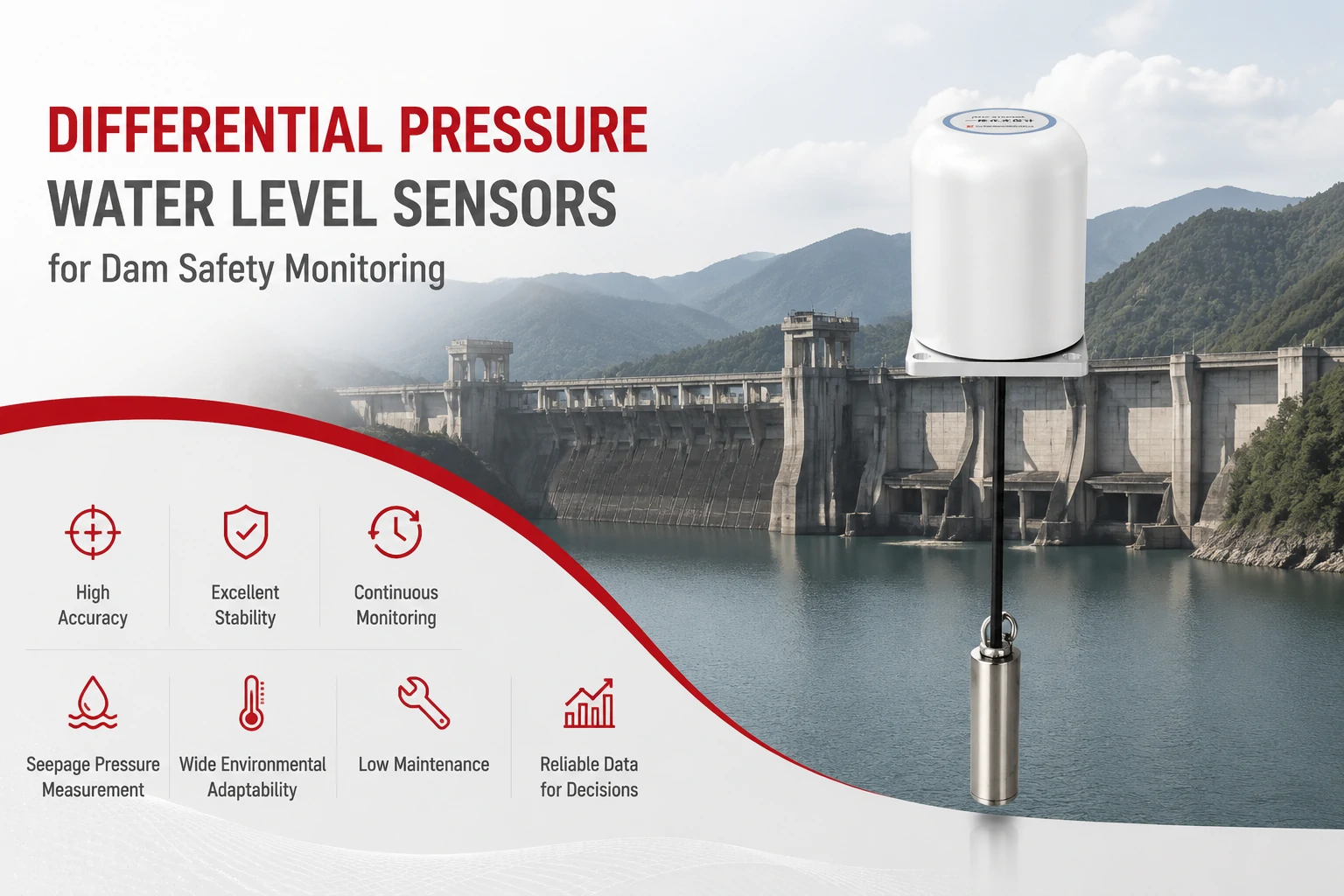
Key Takeaways The strongest fit is usually a confined, submerged, or s...
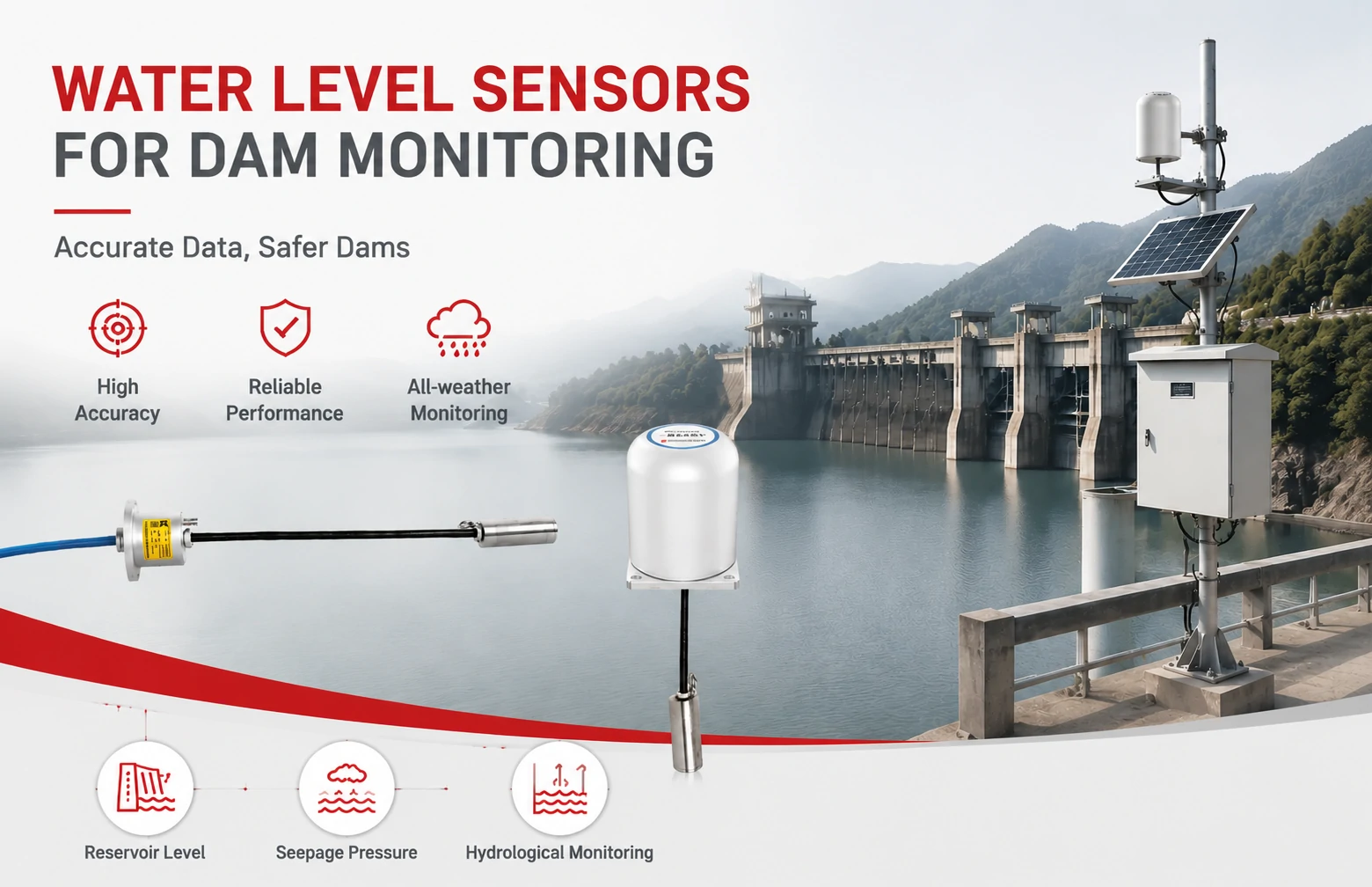
Kingmach Water Level Sensors for Dam Monitoring: A Buyer's Guide to Differential Pre...
Products
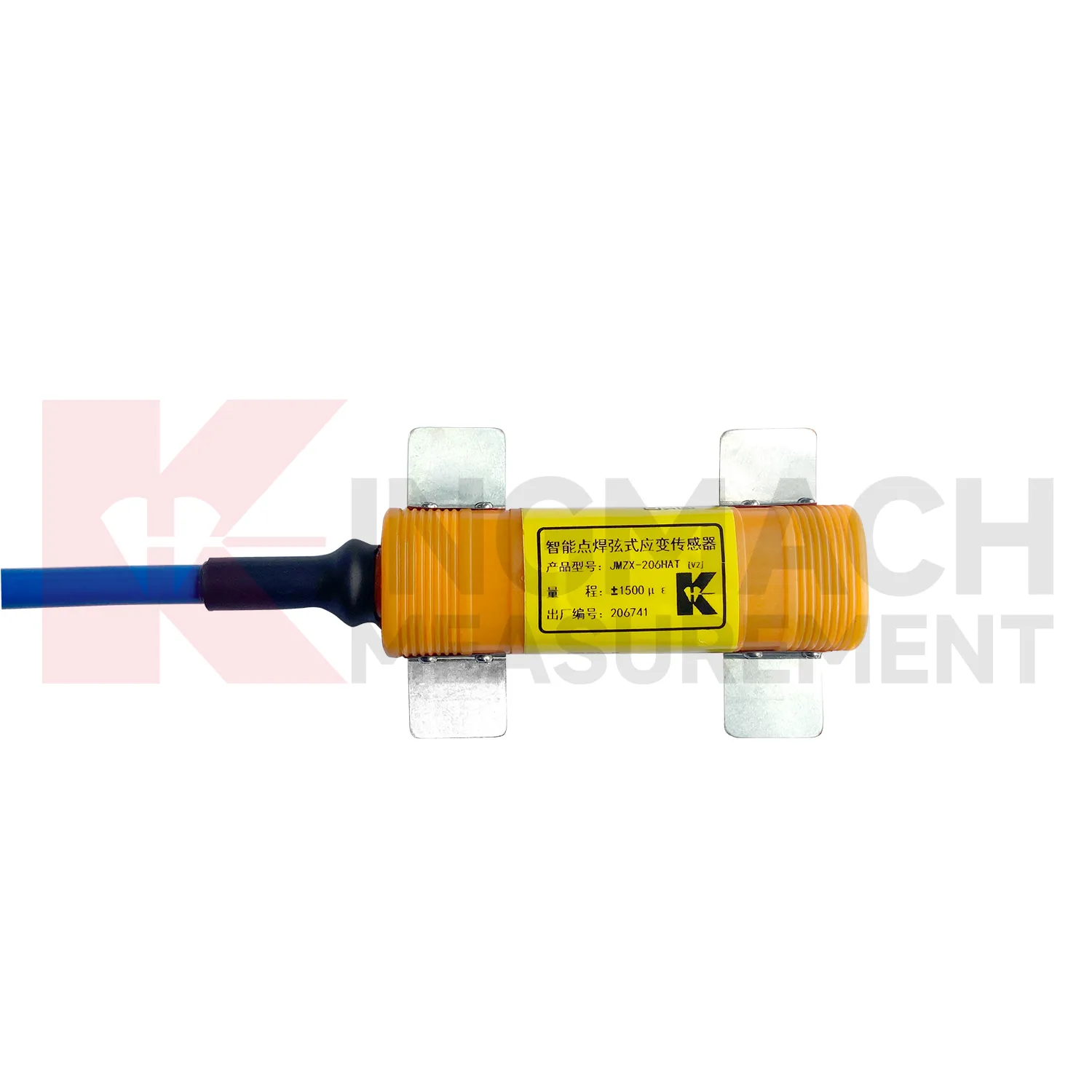
Smart vibrating wire strain gauge (surface welded model) JMZX-206HAT
View Details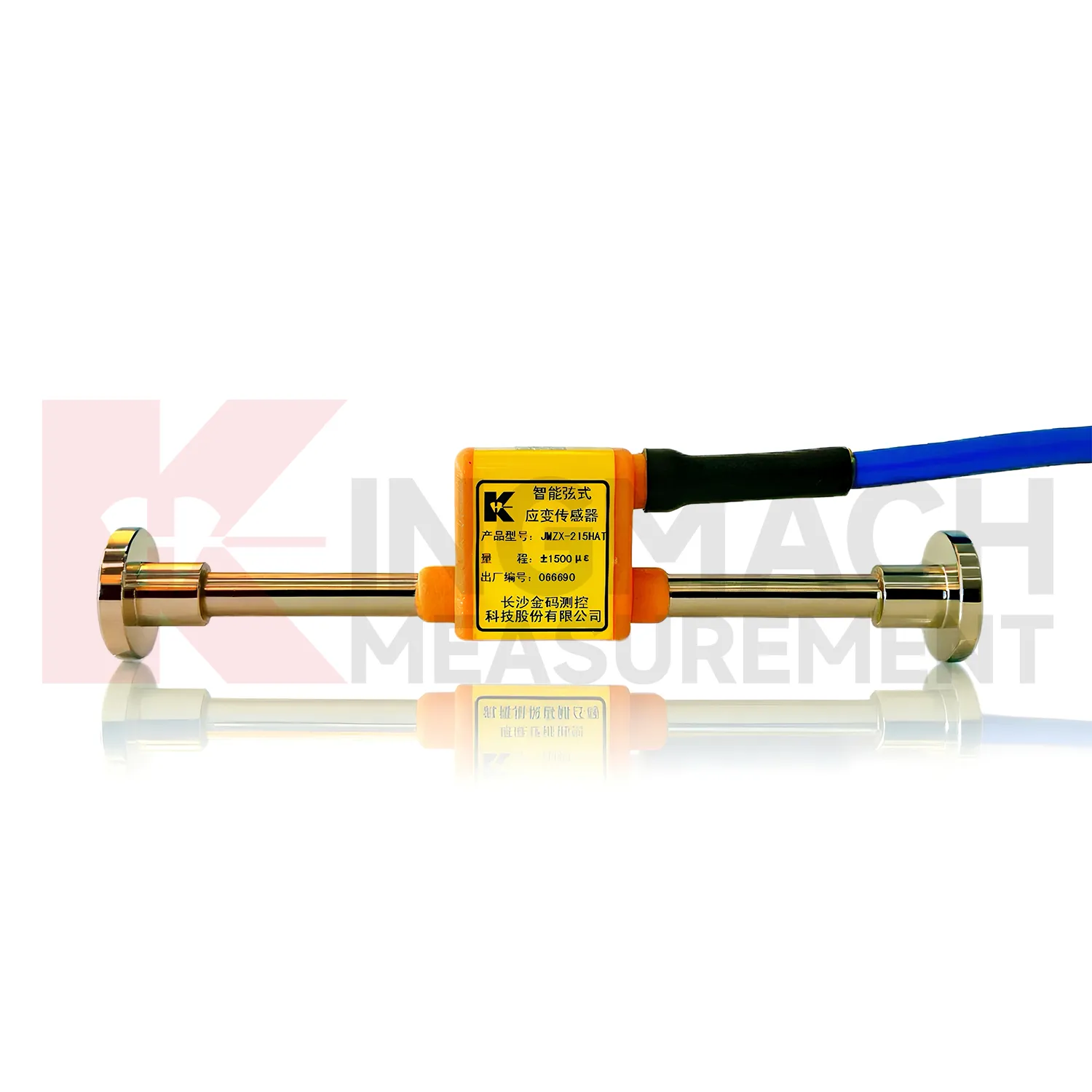
Smart vibrating wire strain gauge (embedment model) JMZX-215HA/215HAT/HB
View Details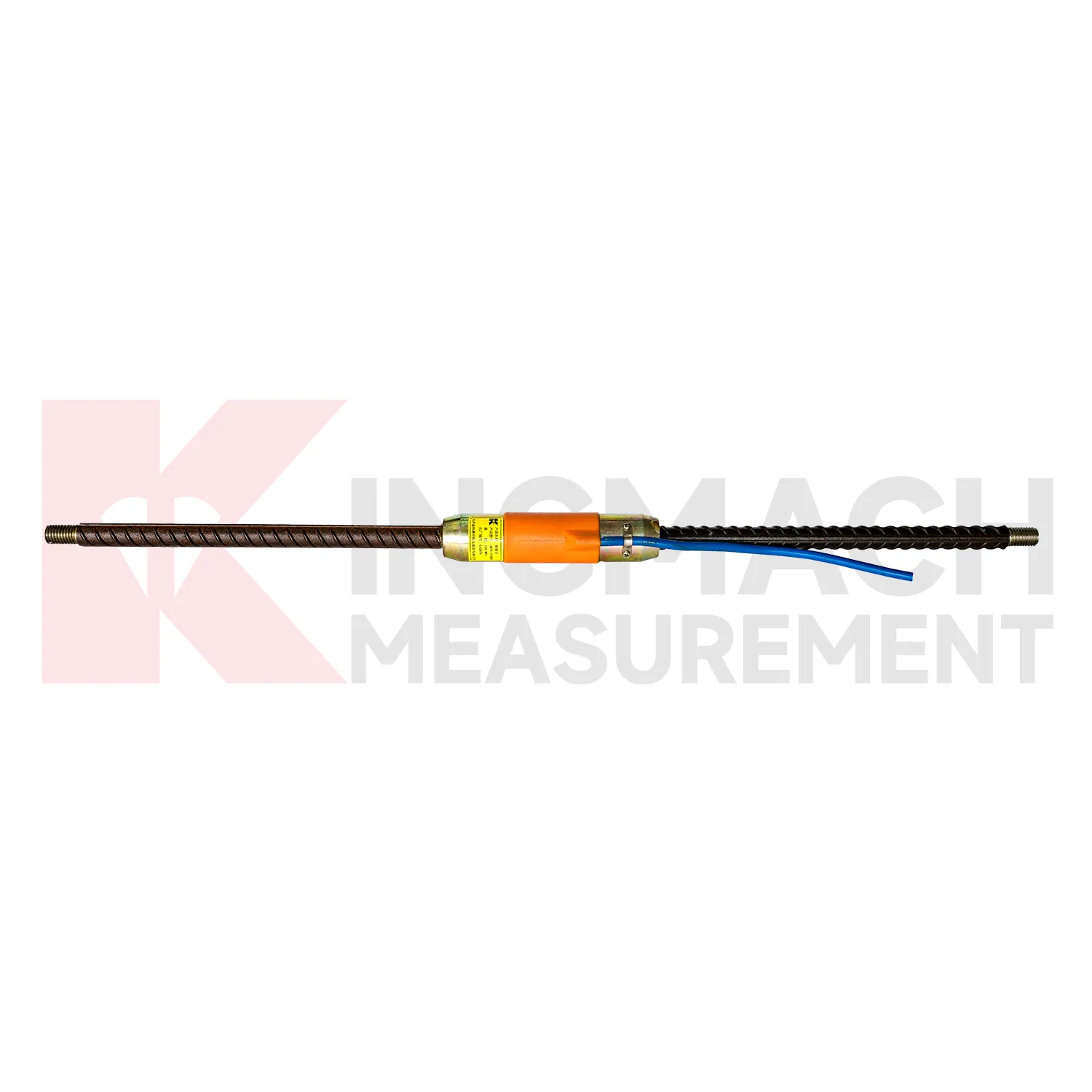
Rebar Strainmeters ( VW & Smart Type) JMZX-4XXHAT/HB
View DetailsFAQ
A full bridge uses four active strain gauges instead of two, which doubles the output and provides inherent temperature compensation. If all four gauges are bonded to the same material, thermal expansion cancels out. In practice, that means less drift and higher signal-to-noise ratio, especially on long cable runs where voltage drop can be an issue.
Yes, but we typically recommend 1000Ω gauges for concrete. The higher resistance reduces self-heating from the excitation voltage, and the larger grid area averages over the aggregate. For long-term embedment, we supply gauges with waterproofing coatings and heavy-duty leadwires. Surface preparation is key—grind a smooth patch, clean with solvent, and fill any voids with epoxy before bonding.
It depends on the material and power constraints. 350Ω is fine for steel and short-term tests. For concrete, composites, or long-term monitoring with low excitation voltage, 1000Ω is safer because it generates less heat. The higher resistance also helps when you're using long cables, as leadwire resistance has less effect on the measurement.
We provide cyanoacrylate (CN) for quick, room-temperature curing on smooth surfaces. For rough surfaces or higher temperatures, two-part epoxy gives stronger adhesion. For concrete, a smooth layer of epoxy filler under the gauge is recommended. Always degrease the surface and avoid touching the gauge foil. Curing pressure can be applied with silicone rubber pads or clamping.
Yes, that's a common request. If a standard linear or rosette pattern doesn't fit your geometry, we can adjust the grid length, width, or orientation. We've done custom gauges for bolt tensioning, curved surfaces, and high-temperature applications. Lead time is typically 2-3 weeks for a batch of custom gauges.
Share your product type, target capacity, and application requirements. Our team can review the details and recommend a practical next step.
If you are interested in our products or want to become our partner.
Please leave your contact information, our team will contact you as soon as possible.
Mail: [email protected]
Contact Us: +8613808434127
Address: No. 188 Tongzipo West Rd, Changsha, Hunan, China